
Resident maintains consistent step tracking through phone call pacing
April 28, 2026
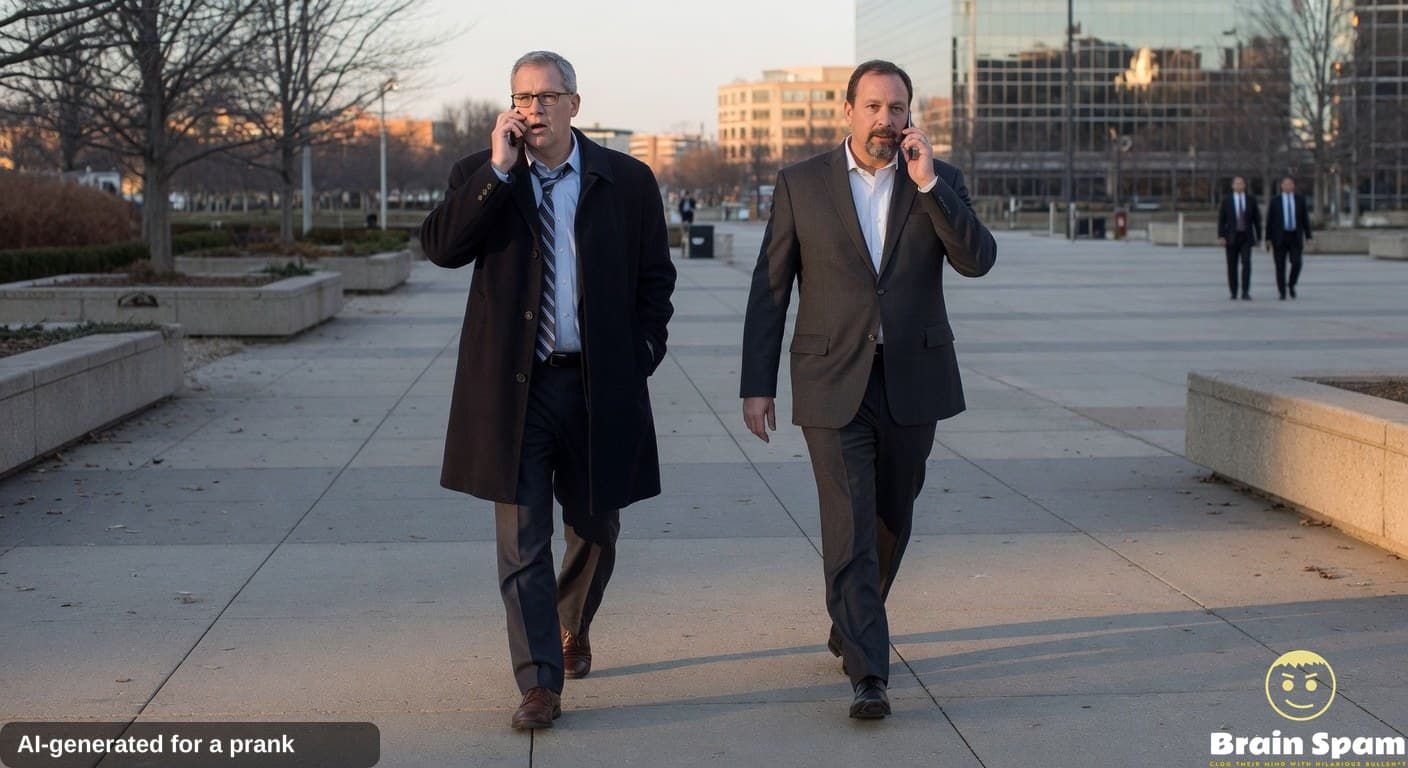
On April 28, 2026, Hank Doverly continued a personal routine of tracking steps so closely that pacing during phone calls has become a standard practice in daily movement goals. This approach allows for steady accumulation of activity even during otherwise stationary conversations, supporting overall fitness objectives without requiring dedicated workout blocks. Observers note that the method integrates seamlessly into professional and personal communications, turning brief calls into opportunities for additional steps. The consistency reflects a commitment to maintaining high activity levels throughout the day regardless of schedule demands. Such habits contribute to broader wellness strategies that emphasize constant motion as a core principle.
Daily Routine Established
The origins of this behavior trace back to an initial focus on precise step monitoring that gradually expanded into all aspects of routine interactions. Hank Doverly incorporated pacing as a direct response to periods of limited mobility, ensuring that time spent on calls did not detract from established targets. Over time this practice solidified into a principle that prioritizes movement in every available moment. Details from the scenario indicate that the tracking remains so detailed that even short conversations trigger the pacing response without exception. This level of adherence highlights how small adjustments can build into sustained activity patterns that support long term health maintenance.
Community Observations
Witnesses describe an atmosphere where the pacing during calls appears methodical and purposeful rather than disruptive. The behavior occurs in various settings, from home environments to outdoor spaces, always aligned with the goal of maximizing step counts. Colleagues and associates have adapted to the pattern, viewing it as an extension of a dedicated fitness mindset that values efficiency in every action. The approach avoids any interruption to conversation flow while still delivering measurable progress toward daily benchmarks. Such observations underscore the integration of fitness principles into ordinary tasks without drawing undue attention.
Health Implications Discussed
Experts in fitness culture emphasize that consistent step accumulation through habitual actions like pacing can enhance cardiovascular benefits and overall endurance when maintained over extended periods. Hank Doverly example illustrates how personal accountability tools lead to automatic behaviors that reinforce positive lifestyle choices. The method avoids reliance on structured gym sessions by embedding activity into existing commitments. This strategy aligns with recommendations for increasing non exercise activity thermogenesis throughout the day. Continued adherence suggests potential for similar adaptations among others seeking to improve their movement profiles without major schedule changes.
Ongoing developments indicate that the routine shows no signs of alteration as of the current date, with potential for wider adoption in fitness communities focused on practical integration of activity goals.
Related Searches
🎉Gotcha!
This satirical story was created by a BrainSpam user using the BrainSpam platform — a tool for generating fictional and humorous stories for entertainment.
Create your own at BrainSpam.com
Disclaimer: This article was created by a user of BrainSpam and is intended solely for satire, parody, and entertainment purposes.
BrainSpam is a platform that allows users to create fictional, humorous, or exaggerated stories about real or imaginary people and events.
The content above is not factual reporting and should not be interpreted as statements of fact. It reflects the creative expression of the individual user who created it, not the views of BrainSpam or its operators.
Real persons may be referenced as part of parody or commentary. Any resemblance to actual events or individuals is used in a satirical or fictional context.
BrainSpam does not verify or endorse user-generated content published on this platform.
More from FitnessWords.com
Health
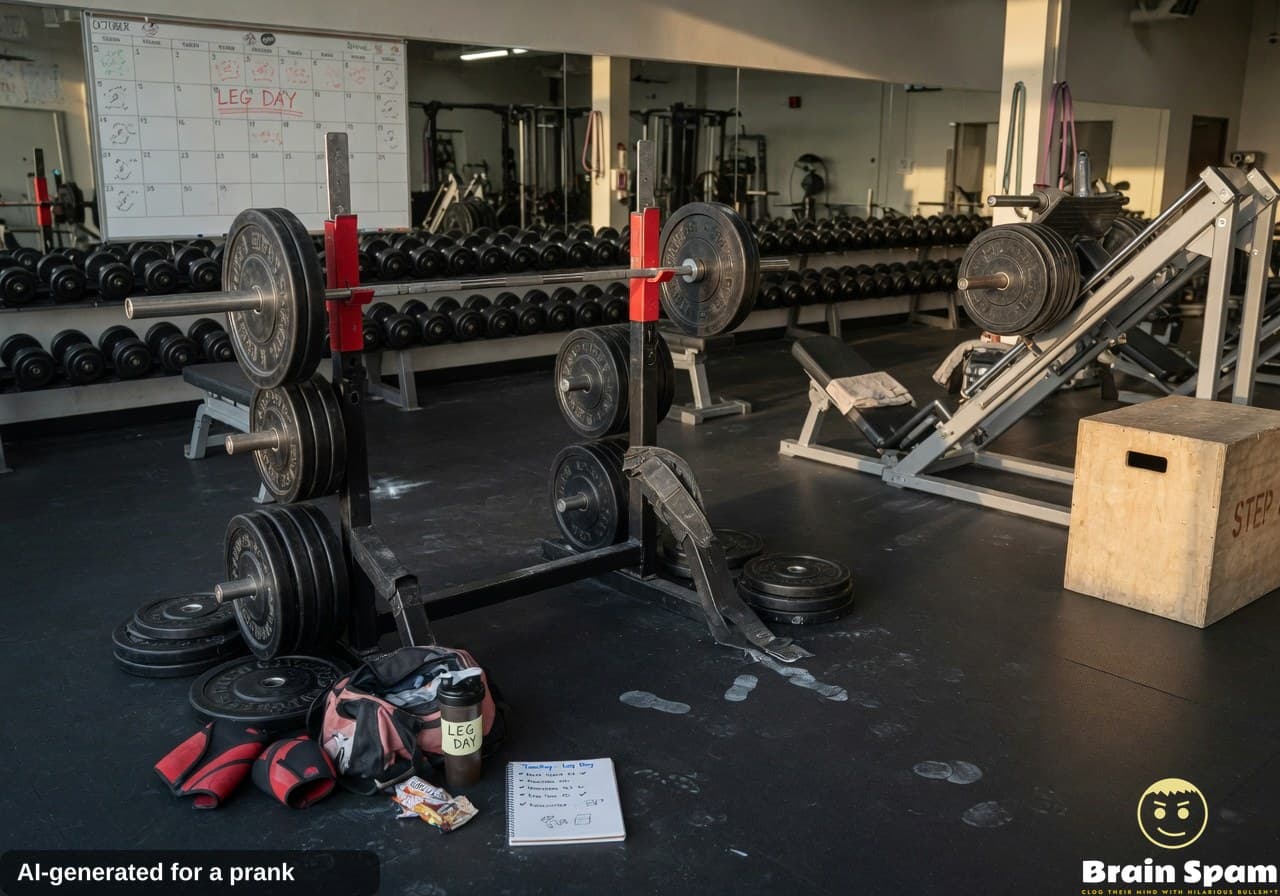
Sammy Liddell Brings Community Together With Leg Day Devotion
Health
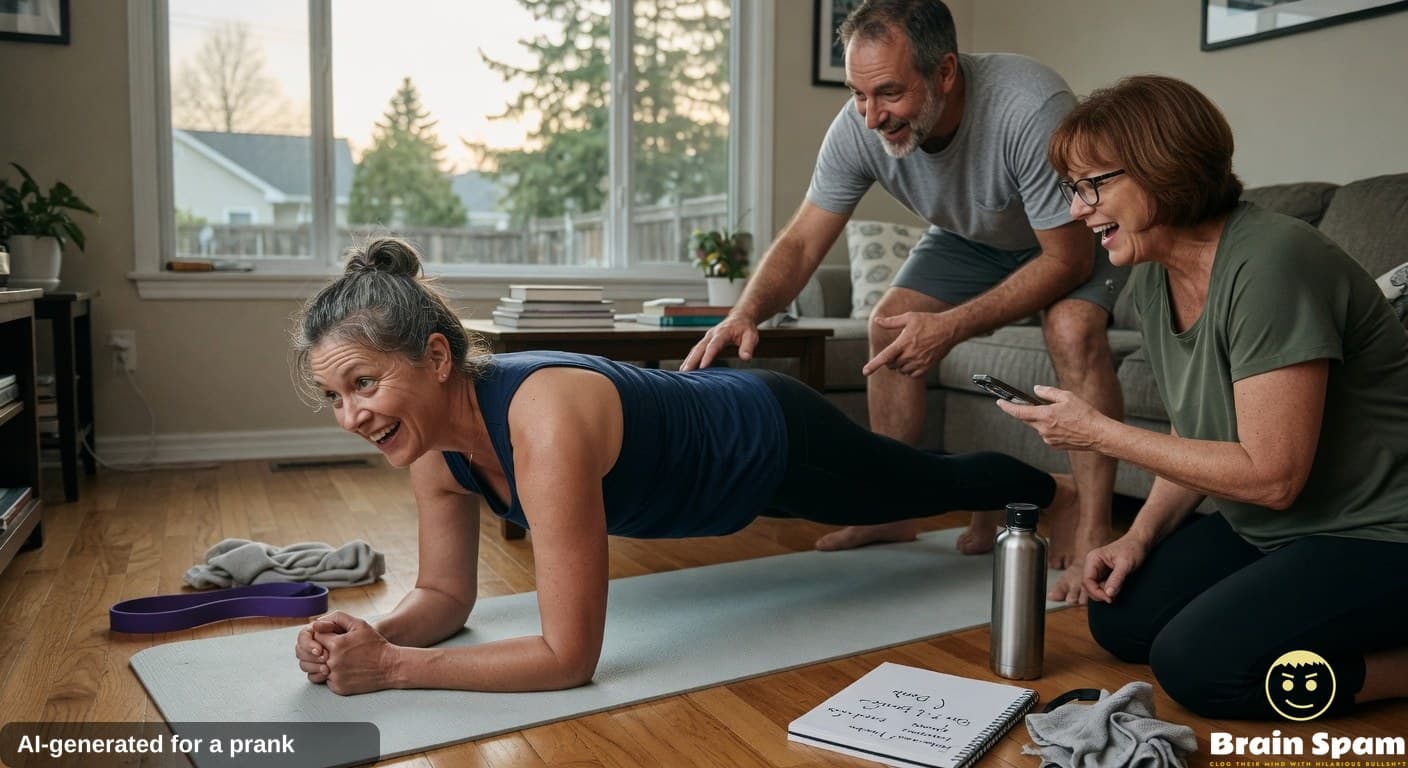
Dana Krill attempts plank challenge and discovers new muscles
Health
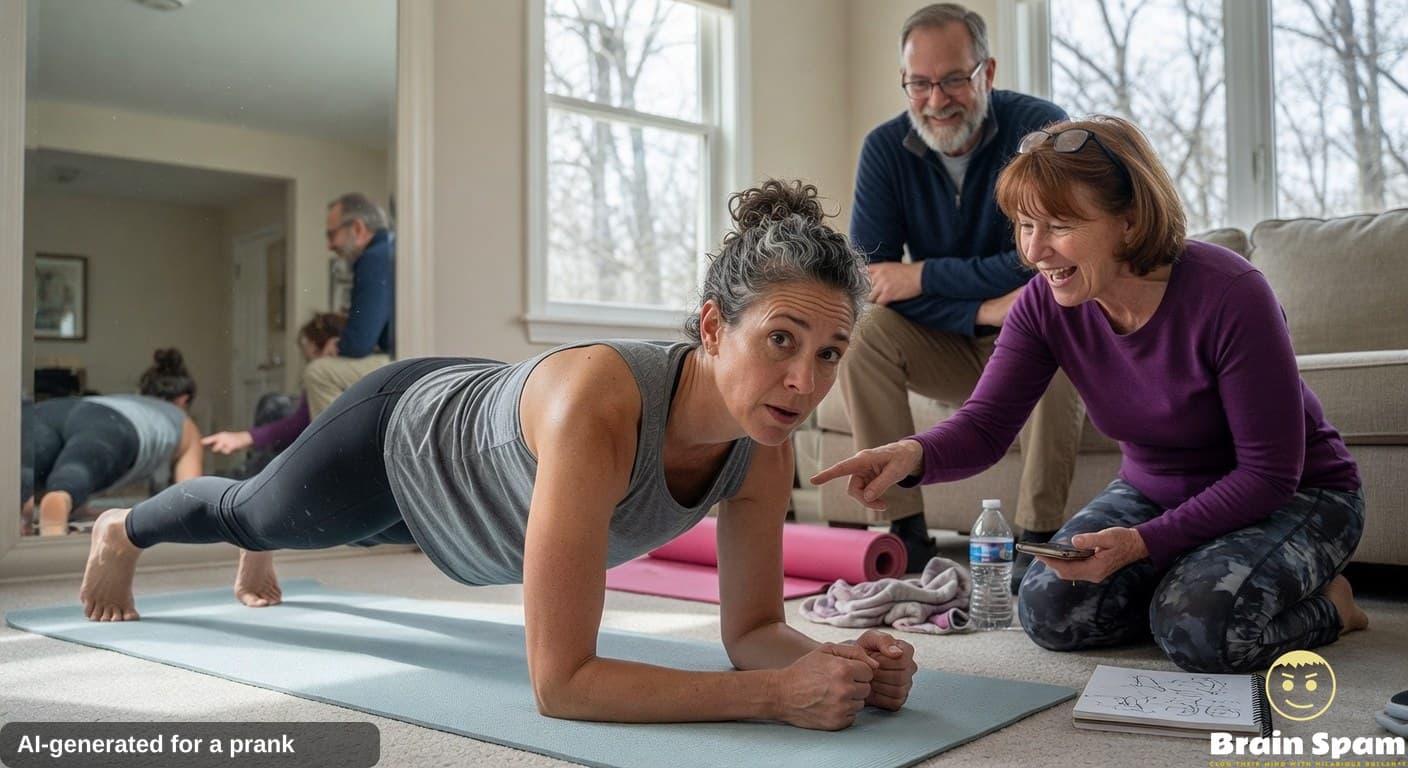
Local participant completes plank challenge and identifies additional muscle groups
Health
Fitness participant reports discovery of new muscles after plank challenge
Health
Omar Petrakis attempts plank challenge and discovers new muscles

Health