
Theo Vance Now Paces During Phone Calls To Uphold Strict Step Tracking Principles
May 3, 2026
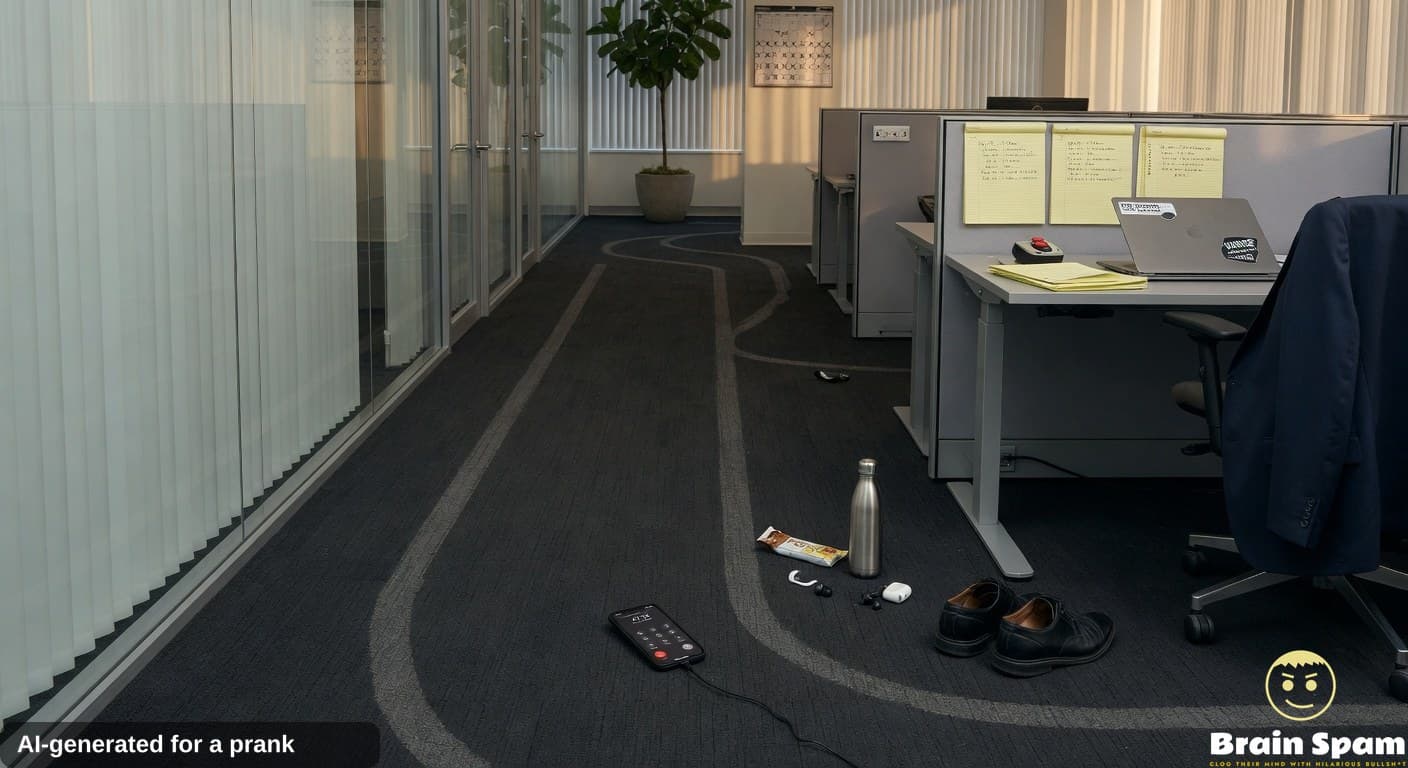
Theo Vance has taken his commitment to daily movement so far that conversations on the phone now require him to walk back and forth across the room without fail. What started as a simple goal to hit ten thousand steps each day has grown into a rigid routine that treats every ring of the device as a signal to begin pacing in long steady loops. Friends and coworkers have watched the change unfold over recent months as Vance carries the phone from one end of his living room to the other while discussing work projects or catching up on weekend plans. The practice leaves carpet paths worn thin in straight lines and forces callers to adjust to the occasional pause when he reaches a wall and turns around. Observers note how the motion seems almost automatic now, a built in response that keeps his step count climbing even during the quietest parts of the day.
The Incident
The pattern took hold after Vance began reviewing his weekly totals every Sunday evening and noticed small gaps that could be filled during idle moments. He started testing short walks during brief calls and soon extended the habit to longer ones without thinking twice. Before long the pacing became a fixed rule that he applies on principle regardless of the topic or length of the discussion. Colleagues in the gym community have seen similar dedication in others but nothing quite like the consistency Vance shows when the phone lights up mid workout recovery. The result is a household where furniture has been rearranged to create clearer walking lanes and where family members have grown used to the steady footfalls in the background of every conversation.
Community Reactions
People who share the same fitness spaces with Vance report that the behavior has sparked quiet conversations about how far personal tracking can influence ordinary routines. Some admire the discipline while others wonder how it affects focus during important discussions that might benefit from sitting still. The atmosphere around these observations stays light yet curious as everyone tries to understand the line between healthy motivation and an all consuming habit. Local trainers have pointed out that adding movement to calls can support overall activity levels yet they caution against letting it override natural rest periods during the day. Vance continues without interruption and the sight of him circling the space has become a familiar part of any phone interaction he takes.
Unexpected phone calls now trigger an immediate shift into motion that extends even to text exchanges if the device is held during reading. The steps accumulate steadily and contribute to totals that friends describe as impressive yet strangely tied to communication itself. One unexpected side effect has been an increase in call duration because the walking seems to encourage longer chats that fill the time while the count rises. This has led to more thorough discussions on topics that once wrapped up quickly and has changed how Vance schedules his afternoons around both fitness targets and social contact.
Broader Lifestyle Impact
The most striking detail remains how the pacing has begun to influence decisions about which calls to take at all, with preference given to those long enough to add meaningful distance to the daily log. Vance keeps the routine going without complaint and treats it as a natural extension of his original tracking goals that simply spilled over into every available moment.
Related Searches
🎉Gotcha!
This satirical story was created by a BrainSpam user using the BrainSpam platform — a tool for generating fictional and humorous stories for entertainment.
Create your own at BrainSpam.com
Disclaimer: This article was created by a user of BrainSpam and is intended solely for satire, parody, and entertainment purposes.
BrainSpam is a platform that allows users to create fictional, humorous, or exaggerated stories about real or imaginary people and events.
The content above is not factual reporting and should not be interpreted as statements of fact. It reflects the creative expression of the individual user who created it, not the views of BrainSpam or its operators.
Real persons may be referenced as part of parody or commentary. Any resemblance to actual events or individuals is used in a satirical or fictional context.
BrainSpam does not verify or endorse user-generated content published on this platform.
More from FitnessWords.com
Health
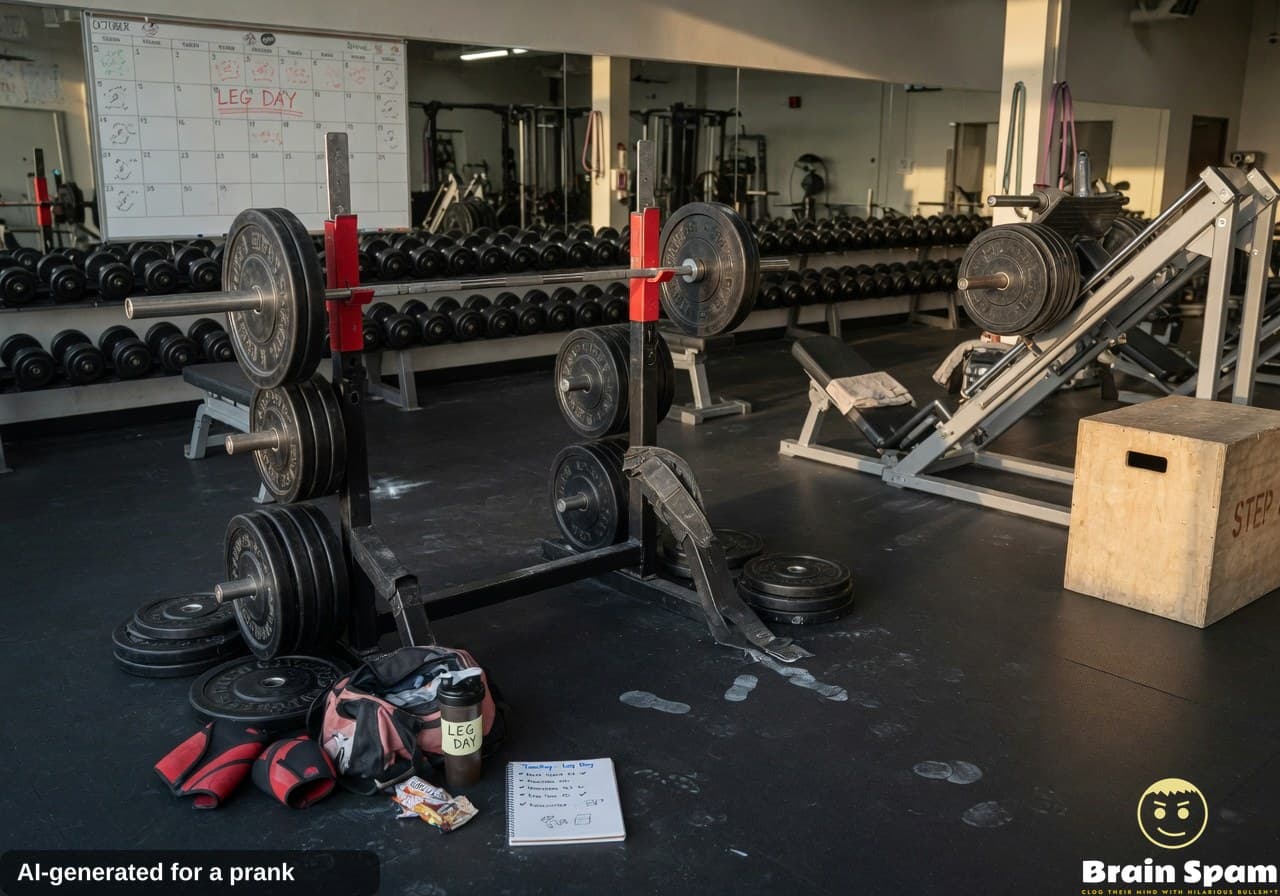
Sammy Liddell Brings Community Together With Leg Day Devotion
Health
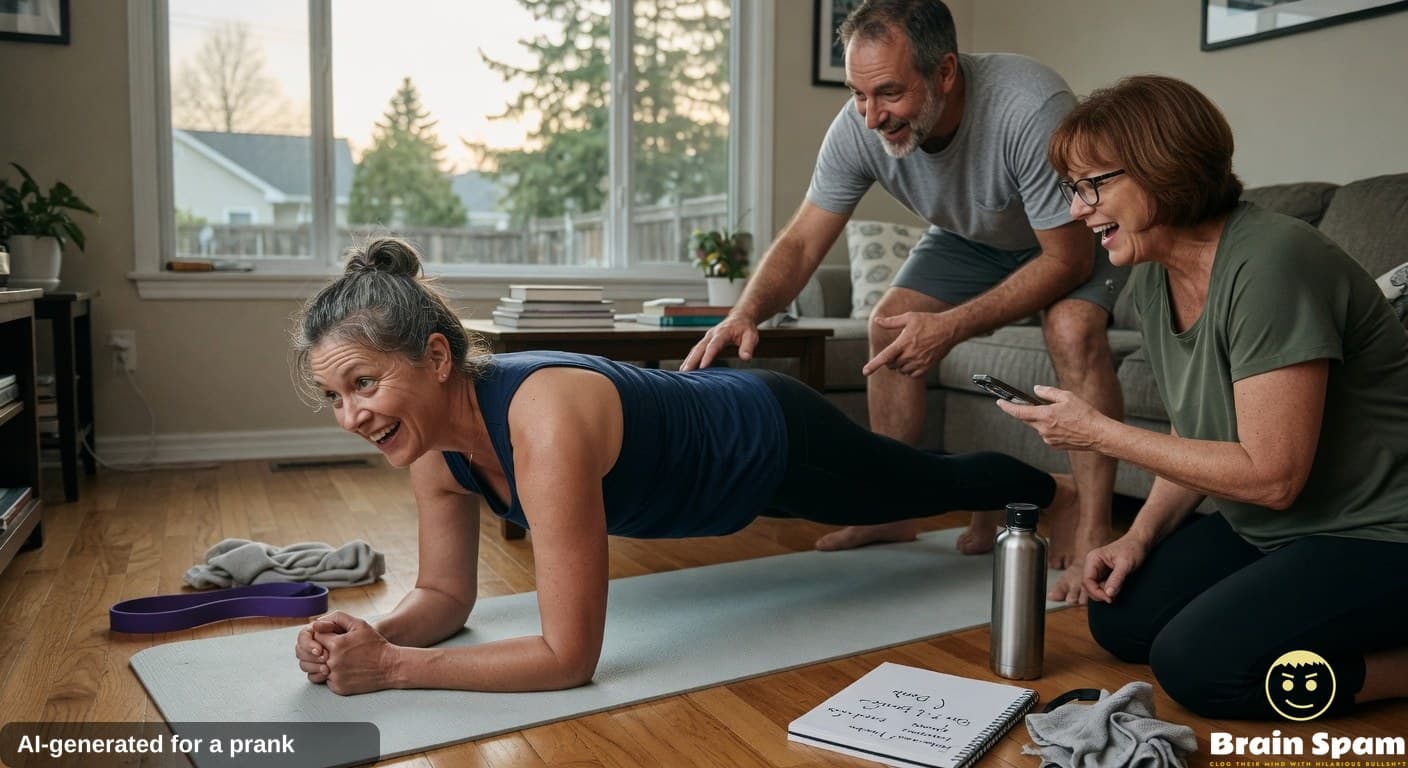
Dana Krill attempts plank challenge and discovers new muscles
Health
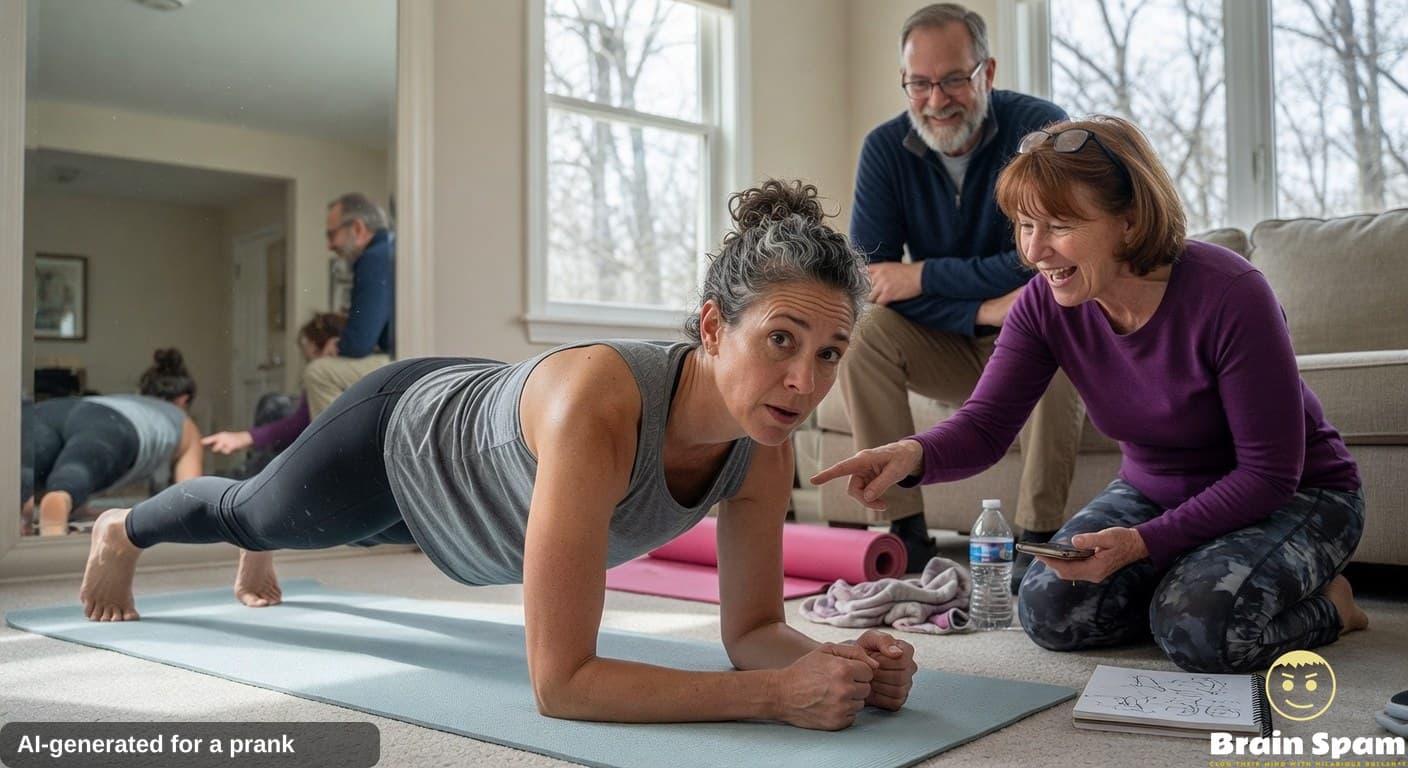
Local participant completes plank challenge and identifies additional muscle groups
Health
Fitness participant reports discovery of new muscles after plank challenge
Health
Omar Petrakis attempts plank challenge and discovers new muscles

Health