
Spin Class Attendee Leaves With Deep Playlist Convictions
February 26, 2026
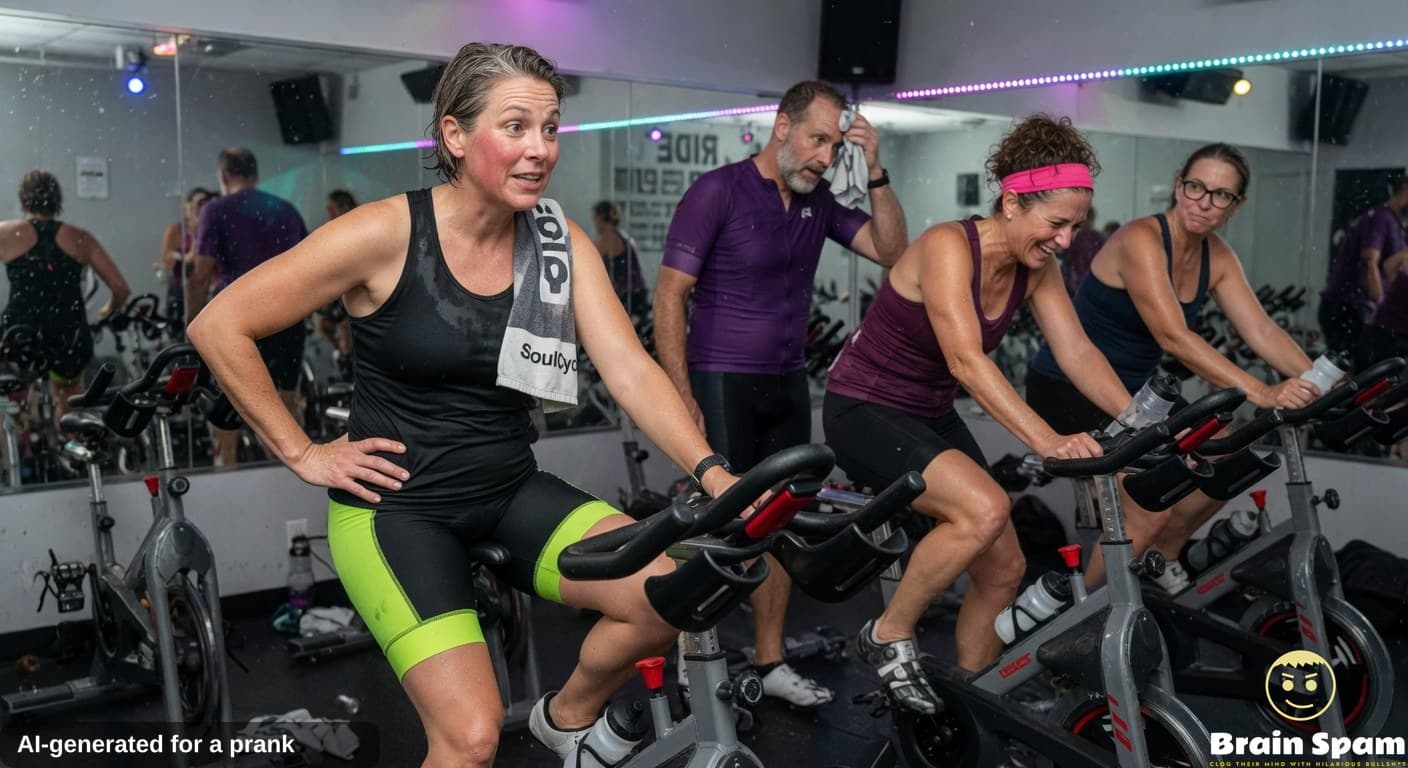
Greta Vox joined a spin class on a typical weekday morning expecting the usual blend of physical exertion and motivational coaching yet emerged afterward with unusually detailed opinions on the sequence of songs that had played throughout the session.
The Musical Turning Point
Those opinions began simply enough with observations about song tempos that failed to align with peak resistance intervals but quickly expanded into a broader philosophy about how the entire playlist had reshaped her understanding of endurance training and personal rhythm in daily movement routines. She spent the hours after class replaying the order of tracks in her mind and noting specific moments where a sudden shift in energy seemed to unlock new levels of pedaling efficiency that standard fitness guidance had never addressed before. Fellow participants noticed her lingering near the instructor station afterward reviewing the track list on the wall with a focus that suggested she was already planning adjustments to her own future sessions based on those precise musical cues.
Community Adjustments Underway
Over the following days her strong feelings prompted conversations across the facility about the role of curated music selections in achieving consistent workout results and several regulars started experimenting with their own pre class song arrangements to test similar effects on their performance metrics. Equipment staff reported an increase in requests for playlist feedback forms while the overall atmosphere in the cycling room grew more attentive to the background audio as if every beat now carried potential insights into better form and sustained motivation during longer rides. The changes remained informal yet noticeable enough that multiple participants began arriving early to discuss track orders and share observations about how different genres influenced their ability to maintain cadence under varying resistance levels.
Long Term Effects Emerge
By the end of the week Greta Vox had compiled a personal reference guide outlining ideal song progressions for different workout goals and she began sharing excerpts during cool down periods with others who expressed interest in refining their own indoor cycling experiences. Instructors observed higher engagement during segments that matched the structure she had described and some classes started incorporating brief pauses for participants to reflect on how the music supported their effort without altering the core format of the session itself. Attendance at subsequent spin classes saw a modest rise as word spread about the enhanced sense of purpose that careful playlist attention could bring to routine fitness activities.
The spin studio environment continued to evolve with added emphasis on music awareness as members contributed suggestions for balanced track lists that supported both high intensity bursts and recovery phases in equal measure. Greta Vox attended follow up sessions to test her evolving theories and reported noticeable improvements in her overall satisfaction with the activity leading others to experiment similarly. Facility managers responded by extending the time allotted for post class discussions allowing participants to exchange ideas about song choices in a way that reinforced the communal aspect of group fitness without interrupting the structured flow of any individual workout.
Related Searches
🎉Gotcha!
This satirical story was created by a BrainSpam user using the BrainSpam platform — a tool for generating fictional and humorous stories for entertainment.
Create your own at BrainSpam.com
Disclaimer: This article was created by a user of BrainSpam and is intended solely for satire, parody, and entertainment purposes.
BrainSpam is a platform that allows users to create fictional, humorous, or exaggerated stories about real or imaginary people and events.
The content above is not factual reporting and should not be interpreted as statements of fact. It reflects the creative expression of the individual user who created it, not the views of BrainSpam or its operators.
Real persons may be referenced as part of parody or commentary. Any resemblance to actual events or individuals is used in a satirical or fictional context.
BrainSpam does not verify or endorse user-generated content published on this platform.
More from FitnessWords.com
Health
Sammy Liddell Brings Community Together With Leg Day Devotion
Health
Dana Krill attempts plank challenge and discovers new muscles
Health
Local participant completes plank challenge and identifies additional muscle groups
Health
Fitness participant reports discovery of new muscles after plank challenge
Health
Omar Petrakis attempts plank challenge and discovers new muscles

Health